

Where Does BLOODMONEY! 2 Push Gameplay Further Than the First Game?
In BLOODMONEY!, the core question was provocative: Are you willing to keep clicking on a stranger just to earn money? The game wrapped its dark premise inside a light, tap-based mechanic, creating a sharp and memorable contrast. But in BLOODMONEY! 2, that question goes somewhere deeper — and far more uncomfortable. When the person on the screen is no longer a stranger but someone connected to you, someone who depends on you… can you still click with the same ease?
The sequel keeps its soft, cute art style, but the emotional weight rises significantly. You’re no longer standing outside the system, casually tapping for cash. Instead, you’re pulled into a relationship filled with tension, attachment, and consequences. BLOODMONEY! 2 transforms the experience from a simple idle-clicker into something that feels more like a story about responsibility and connection. It’s the kind of shift that makes players realize this isn’t just another mini game; it’s a small but powerful reflection on the choices we make.
From a Money Loop to a Relationship Loop
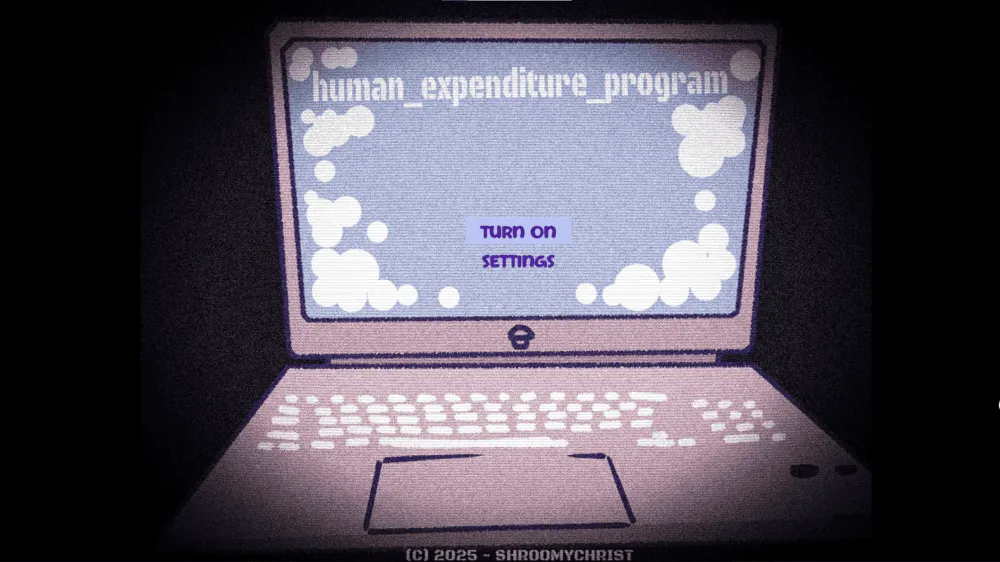
The loop in BLOODMONEY! was as simple as it gets: click → earn. Everything revolved around a basic transaction, and emotions barely mattered. To most players, Harvey was just a tool for making money. Who he was, what he felt, or what he needed never really changed the way you played. Your connection with him stayed at the shallowest level.
But BLOODMONEY! 2 takes a real step forward. Here, you’re no longer just an observer or someone operating from the outside; you become Harvey’s caretaker. The core interaction changes from doing things to him to living together with him. Every interaction helps build a more genuine bond, turning your connection into something that feels real.
This shift transforms the gameplay from a simple number-driven loop into a meaningful relationship loop. With this new direction, this browser game naturally aligns with search-friendly themes like casual story game, interactive character gameplay, and emotional idle game, helping more players discover the depth behind its cute, simple surface.
Core Gameplay Overhaul — The Caregiving System

The core gameplay in BLOODMONEY! 2 centers on a new Care System. Unlike the one-way tapping in the first game, the sequel places you directly inside Harvey’s daily life, letting you truly follow his rhythm and emotional ups and downs. Your basic interactions come from daily care: Feeding, Play, and Rest. You can buy and prepare food for Harvey, such as candy or cake, and each item affects his stamina in different ways. You can also play simple mini-games with him to lift his mood. These actions are no longer just tasks on a list; they create real changes in his physical and emotional responses.
The biggest upgrade from the first game is Harvey’s improved emotional feedback system. He’s no longer a silent character who only reacts in fixed ways. Instead, he responds to how you treat him. He may become gentle and attached to you, or distant, sensitive, and even uneasy. These subtle changes make players naturally more invested, turning every moment into something that feels less like completing missions and more like growing an actual connection.
In the end, the sequel builds a full experience through three connected systems: the Life Loop, Emotion Loop, and Exploration Loop. The Life Loop keeps his basic stats stable; the Emotion Loop shapes the direction of your relationship; and the Exploration Loop pushes you closer to the game’s core mystery — what truth is really hiding behind everything?
This layered design shifts BloodMoney 2 from simply operating a character to truly stepping into a character’s life, offering far greater depth and immersion than the first game.
Narrative Perspective Twist

If there’s one thing in BLOODMONEY! 2 that truly catches players off guard, it’s the shift in narrative perspective. The game reveals a key truth: the viewpoint you’ve been using all along actually belongs to Harvey’s wife. This single twist reshapes how players understand the entire series. Those simple, almost mechanical clicks from the first game suddenly carry new weight and meaning once you reach the sequel.
As the story unfolds, you’ll naturally start asking deeper questions: Why did Harvey become the way he is now? Why does he need to be cared for and watched over? And why does his wife take on this role? At the same time, the purely transactional relationship you thought existed in the first game becomes something worth rethinking within the sequel’s narrative framework.
The game never hands you the answers directly at first. Instead, it spreads clues across memory fragments, subtle emotional shifts, and slow story progression. Piece by piece, you’ll gather these hints and assemble them like a puzzle, forming your own version of the truth. This sense of discovery, the space between what is shown and what is left unsaid, gives the sequel its narrative tension and makes the experience even more engaging.
Conclusion
The biggest breakthrough in BLOODMONEY! 2 is how it transforms the simple click-to-play style into a true interaction built around relationships. You’re no longer just tapping through actions; you’re stepping into the role of a caretaker, or perhaps even a watcher. The daily life system, emotional feedback, and hidden story threads all work together to give the game both deeper gameplay and real emotional weight. Compared with the first game’s cold, transactional feel, the sequel pulls you directly into a relationship where every choice moves the story forward. And as you play, the game quietly asks a harder question: In the name of paying off a debt, how far are you willing to go to convince yourself that everything you’re doing is “necessary”?
December 9,2025